
Hardscape Materials Showdown: Concrete Pavers vs. Natural Stone for Humid Climates
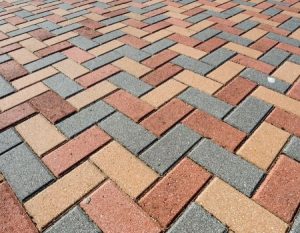
Picking the right hardscape materials in Baton Rouge starts with our weather. Sticky summers, sudden downpours, and the rare cold snap can stress patios and walkways. If you are comparing options, this breakdown will help you decide between concrete pavers and natural stone for a space that stays beautiful and safe year after year. To see how these choices come to life, browse our Baton Rouge hardscape installation services and design ideas.
Humidity is our constant companion, so the winning choice is the one that handles moisture, drains well, and resists movement. Below you will find a clear comparison with practical details on the base, the joints, sealing, and the freeze-thaw moments that occasionally hit the Capital Region.
What Humidity Does to Pavers and Stone
Warm, wet air feeds mold, algae, and efflorescence. When water sits on a patio or gets trapped underneath, it can stain the surface, loosen joints, and shift the base. In winter, short freeze-thaw cycles can add stress by expanding any trapped moisture.
That is why material choice matters. So do the unseen layers beneath. A smart build in Baton Rouge always plans for fast drainage and stable edges to keep everything locked in place after a heavy storm rolling off the Mississippi.
Concrete Pavers: Strengths, Weaknesses, and Local Fit
Concrete pavers are engineered pieces that interlock, share loads, and make repairs simple. You can swap a stained or chipped unit without tearing out a slab. With the right joint sand and base, they perform well in our climate.
- Pro tip: Choose dense pavers with factory edge spacers to keep joints uniform and shed water evenly.
- Design flexibility with colors, sizes, and patterns that suit Mid City bungalows or new builds in Shenandoah.
- Easier spot repairs than a monolithic surface because individual units can be reset.
- Needs sealing only if you want richer color or extra stain resistance.
Watch-outs: low-quality pavers can fade faster in our sun. Poor drainage can cause dips after big rains. Address both during design and installation to avoid later headaches.
Natural Stone: Strengths, Weaknesses, and Local Fit
Natural stone offers a timeless, upscale look. Materials like travertine, slate, and flagstone fit beautifully with live oaks and brick accents in the Garden District and Old Goodwood. With proper prep and edge restraint, stone can thrive in humid conditions.
- Unique color and texture that ages gracefully and boosts curb appeal.
- Cooler underfoot in summer when you choose lighter stones that reflect heat.
- Individual pieces can be reset if movement occurs after a storm.
Watch-outs: certain stones are more porous and need sealing more often in wet areas. Uneven thickness requires careful setting so furniture sits level.
Drainage Base, Joints, and Sealing: The Details That Decide Durability
Material alone will not win the fight against humidity. The structure under and between your pavers does the heavy lifting.
Insist on an open-graded drainage base that moves water away from the patio instead of trapping it. In many Baton Rouge yards, an angular rock base with proper compaction controls settlement after downpours. Perimeter restraints keep edges tight against traffic and lawn equipment.
For the joints, use polymeric sand formulated for wet climates. It hardens when activated and helps resist washout, weed growth, and ant tunneling. Sweeping and re-activating the sand after a season of use can refresh the joints and keep the surface locked.
Sealers are optional but helpful on both concrete pavers and some stones. Choose breathable products that let moisture escape. Only seal when the surface and base are fully dry to avoid trapping moisture that can lead to a hazy look.
If you want a deeper dive into how moisture affects materials here, this article on local conditions is a helpful read: which pavers hold up best in Louisiana humidity.
Head-to-Head: Concrete Pavers vs. Natural Stone in Baton Rouge
Here is a quick, practical comparison for our climate and soils.
- Drainage: both work well with a free-draining base. Pavers often have a slight edge thanks to consistent thickness and predictable joint spacing.
- Maintenance: sealing is optional for both. Stone may need more frequent sealing in splash zones around pools.
- Repairs: pavers are easier to pop and reset. Stone repairs depend on piece size and thickness but are still manageable.
- Comfort: lighter stones feel cooler in July heat. Choose lighter paver colors for a similar effect.
Winner? It depends on the look you want and how your yard drains. With the right foundation and joint treatment, both can stand up to Baton Rouge weather.
Design Considerations Across Baton Rouge Neighborhoods
Shady lots in the Garden District call for lighter tones to brighten the space and reduce algae visibility. Homes in Prairieville or Zachary with wide-open sun can handle richer colors that will not feel too hot. Long, narrow side yards in Southdowns benefit from smaller formats to reduce cuts and keep patterns aligned.
Tree roots are common near live oaks and magnolias. Modular pavers make future root adjustments simpler because individual units can be lifted and reset. Stone can work well too with careful layout around flare roots and wider joints for flexibility.
Freeze-Thaw, Storms, and Everyday Use
We do not see deep winters, but brief freeze-thaw events still show up most years. That is when moisture in the base or joints can expand and contract. Keep water moving with slope, drains where needed, and a free-draining base, and your surface will ride out cold snaps and summer storms without drama.
Hose cleanings and the occasional gentle wash are usually enough for upkeep. Skip harsh deicers that can damage surfaces. Instead, use sand for traction if a rare icy morning hits.
When Concrete Pavers Make More Sense
Choose them when you want precise lines, strong interlock, and easy repairs. Heavily used spaces near driveways, pool decks that see a lot of splashing, and patios that need a quick reset after a utility fix are all good candidates. If you plan a curved edge in Mid City or around a pool in Broadmoor, the modular pieces make tight, clean curves simple.
If you are exploring options for a hardscape materials Baton Rouge project, pavers give you a wide palette without compromising performance.
When Natural Stone Takes the Lead
Choose stone when you want character and a custom, organic feel. Travertine or select flagstones sit beautifully next to brick and stucco, and they play well with native plantings. In courtyards where you entertain at dusk, stone texture adds depth and shadows that feel warm and welcoming.
Which Should You Choose for Your Paver Patio in Baton Rouge?
If your priority is predictable performance and easy fixes, go with concrete pavers. If your top goal is a one-of-a-kind look, choose natural stone and plan for sealing in wet zones. Either way, pairing the material with the right drainage base, joint treatment, and edge restraint matters more than the label on the pallet.
Homeowners often search for “paver patio Baton Rouge” and stop at surface looks. The smarter move is to match design to your yard’s sun, shade, and water flow. That is how your patio stays level, safe, and beautiful after football-season cookouts and spring showers.
Next Steps for a Long-Lasting Outdoor Space
If you are ready to compare options on your property, take a look at how we plan and build on our hardscape installation page for Baton Rouge, LA. Our team at {{ company-name }} will evaluate drainage, soil, and usage so your patio, walk, or courtyard performs through storm season and beyond.
Call us at {{ phone-number which=’1′ }} to schedule a site visit for hardscape installation in Baton Rouge. We will help you choose the right material, detail the base and joints, and create a design that fits your home and lifestyle without guesswork.