

Baton Rouge Backyard Drainage Solutions: How to Stop Patio Flooding and Protect Your Pavers
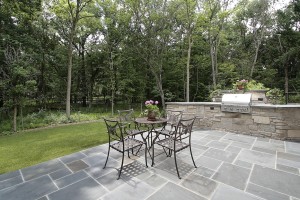
Heavy Gulf Coast rains can turn a peaceful patio into a shallow pool. If your pavers shift, joints wash out, or water creeps toward doorways, you are not alone. Many Baton Rouge yards sit on dense soils that drain slowly, so the wrong slope or a missing drain quickly leads to standing water. This guide explains practical Baton Rouge backyard drainage solutions that protect your patio, extend the life of your hardscape, and keep outdoor living safe and comfortable.
When you are ready for a plan that fits your yard and soil, our local landscaping and irrigation team in Baton Rouge can assess the site and design the right fix the first time.
Why Patios Flood In Baton Rouge Yards
Our area gets quick, intense downpours and frequent summer thunderstorms. In neighborhoods from Mid City to Shenandoah and Southdowns, that rain falls onto clay-heavy soils that hold moisture. Add flat lots, settled edges, or a patio built without an outlet, and water has nowhere to go. It sits on the surface, sneaks under pavers, and works at the base until dips and loose joints appear.
Homes near large oaks or magnolias also see root pressure that lifts edges, creating low spots inside the field of the patio. Downspouts aimed at the patio or beds next to it can dump more water than the surface can handle. Over time, this leads to paver movement, algae growth, and slick surfaces after storms.
Signs Your Patio Drainage Needs Attention
- Ponding water that lasts more than a few hours after rain
- Sand or joint material washing onto the lawn or into beds
- Wavy edges, rocking pavers, or small sinkholes near the slab
- Water trails forming at door thresholds or along the house
- Algae, mildew, or a powdery white haze on the surface
If you are spotting these, it is time to protect your hardscape before the next storm season rolls in.
Smart Backyard Drainage Solutions That Protect Pavers
French Drains That Fit Baton Rouge Soils
French drains collect subsurface water and move it away through a gravel bed and perforated pipe. In many Baton Rouge yards, placing the drain along the uphill side of a patio or between the house and hardscape reduces the water load that tries to push under pavers. This strategy is popular for French drains Baton Rouge searches because it tackles the saturated layer below the surface, not just puddles on top.
Catch Basins and Channel Drains Along the Edge
Where roof runoff or sloped lawns send sheets of water across the patio, a channel drain at the low edge or a series of catch basins pulls water down fast. The key is connecting these points to a proper outlet so the system does not simply move water from one problem area to another.
Regrading and Soil Stabilization
Landscape grading fine-tunes how water flows through your yard. By creating a gentle, consistent slope away from the house and patio, water follows a planned path instead of finding weak spots in the base. Stabilizing soft zones with angular stone and geogrid helps resist settlement after heavy rain. This is a core part of preventing paver sinking and long-term soil erosion control Louisiana homeowners ask for.
Permeable Paver Systems With Open-Graded Base
In certain locations, permeable pavers paired with an open-graded base let water pass through joints and store briefly beneath the surface before moving out. This reduces ponding and helps keep joints clean during storm season. It is important that the base, edge restraints, and downstream outlet are engineered to match Baton Rouge rainfall patterns.
Downspout Management and Pop-Up Emitters
Redirecting roof water away from the patio is one of the most impactful fixes. Tying downspouts into solid pipe and sending them to a pop-up emitter at a safe, lower point in the yard prevents concentrated flows from hammering your hardscape.
How Professional Landscaping And Irrigation Work Together
Drainage, grading, and irrigation must be planned as one system. Heads that overspray the patio or run too long create slippery surfaces and can accelerate joint washout. A designer from Native Outdoor Solutions will look at slope, soil texture, plant beds, and sprinkler coverage, then balance everything so your patio stays dry and usable. If you are updating any part of your yard, it is smart to coordinate timing with landscaping and irrigation services so trenches, pipe runs, and base layers all support the same goal.
Avoid Paver Sinking And Soil Erosion In Louisiana
Paver patios in areas like Old Goodwood, Garden District, and Broadmoor often see seasonal movement when the base gets saturated. That is why the unseen layers matter as much as the stone you see. For more on material choice in our climate, see which pavers hold up best in Louisiana humidity. Matching the right base, joint material, and edge restraints with the right paver or stone keeps surfaces tight and level during football season cookouts and surprise showers.
Choosing Materials That Stand Up To Gulf Coast Weather
Whether you prefer a classic brick herringbone or a large-format stone, durability comes from the build. An open-graded base that moves water, breathable sealers where needed, and joint products designed for wet climates keep your patio looking good. If you are exploring surfacing options, compare textures, slip resistance, and heat gain. This is where a seasoned Gulf Coast drainage contractors perspective helps you get beauty and performance together.
Curious how materials compare in our humidity and summer heat? Read our breakdown in this hardscape materials showdown for humid climates, then explore local build standards and details with our Baton Rouge hardscape installation team for ideas that fit your home.
Where Drainage Fits In A Full Outdoor Plan
Backyard design works best when drainage decisions come first. Patios, walkways, outdoor kitchens, and plant beds all perform better when water has a clear, reliable exit. For example, a channel drain along the edge of a pool deck in Prairieville may pair with a hidden French drain behind raised planters, sending water to a low corner far from high-traffic zones. In Zachary or Denham Springs, gentle regrading across a wide lawn can relieve pressure on a shady patio, cutting down on algae and slick spots.
Drainage also protects nearby features. Stable edges reduce shifting at steps, outdoor kitchens stay level, and planter walls resist washout behind them. When the plan is done right, you notice fewer puddles, tighter joints, and a smoother surface underfoot. You also spend less time cleaning and more time enjoying cookouts, crawfish boils, and quiet evenings outside.
What A Pro Looks For During Your Site Visit
A thorough evaluation covers more than where water sits after rain. Your designer will review soil texture, compaction, root pressure, shade patterns, and how nearby hardscapes meet the patio. They will check door thresholds, low corners, and spots where traffic concentrates. The goal is to choose solutions that remove water quickly and keep the base stable through storms, summer irrigation cycles, and those rare cold snaps.
- Confirm safest discharge point that will not cause new problems
- Map slopes and soil transitions that affect flow
- Select drain types, base layers, and edge restraints that match use
- Coordinate irrigation heads and run times to avoid overspray
That is how Baton Rouge homeowners get patios that ride out wild weather without drama.
Maintenance Habits That Keep Your Patio Performing
Good design reduces maintenance, but a simple care routine keeps everything working longer. Blow off leaves so inlets do not clog. Rinse sediments away from channel drain grates. Where polymeric sand is used, light sweeping and re-activation as recommended keeps joints locked. If you see a dip or a soft spot after a storm, call your pro promptly so a small reset does not become a big repair.
When planning upgrades around existing patios, protect the base. Avoid storing heavy pallets or soil piles on the surface for long periods, which can stress the structure. Coordinate any utility work that crosses the patio with your installer so they can remove and reset units correctly.
Ready To Keep Your Patio Dry And Your Pavers Safe?
You deserve a backyard that works as great as it looks. Tap into local expertise and a system-based approach. Start with Baton Rouge backyard drainage solutions that match your soil and rainfall, then build outdoor spaces that stay strong through storm season and beyond. If you want a plan that prevents patio flooding and protects your investment, schedule a visit with Native Outdoor Solutions at 225-413-5028. For next steps and a coordinated design that includes grading, drains, and sprinkler tuning, visit our service page at landscaping and irrigation in Baton Rouge.
Key Takeaways For Baton Rouge Homeowners
Water always follows the easiest path. Give it a smart outlet and your patio lasts longer. Pair grading, the right drain types, and a well-tuned irrigation plan to stop ponding and protect the base. Do not ignore standing water near your foundation. It can speed up settlement and create safety hazards on slick surfaces.
Materials do matter, but the hidden layers matter more. With the proper base, joint product, and edge restraint, both concrete pavers and natural stone can thrive here. The fastest wins often come from redirecting downspouts and relieving water pressure before it reaches the patio. For a design that fits your property and weather, connect with our team at Native Outdoor Solutions or call 225-413-5028.